
Use a curated fleet strategy to do more work with fewer machines
How smart, streamlined equipment selection lowers costs and maximizes the value of every asset in your fleet
Municipal operations, construction crews, and landscape contractors are under increasing pressure to deliver more work within tighter timelines and budgets. From spring pothole repair to fall surface maintenance, success depends not just on the amount of equipment available, but on how effectively that equipment is selected, deployed, and utilized.
A growing number of fleet managers are moving away from the traditional model of owning a wide range of specialized machines. Instead they adopt a more intentional approach: building a curated fleet centred on versatile compact equipment and strategic attachment use.
Achieve more operational flexibility with less equipment
Today's most effective operations focus on maximizing the value of every machine in their fleet.
Rising equipment costs are a primary driver behind this shift. With higher capital investment required for each purchase, contractors and municipalities are becoming more selective, prioritizing machines that can support multiple applications rather than a single, specialized task.
"We're seeing a real shift in how fleet managers think about equipment investment," says Jonathan Gardner, construction product manager at Kubota Canada. "It's no longer about having a machine for every job. It's about having the right core equipment that can adapt to multiple demands throughout the year."
Organizations are investing in core equipment designed to remain active across seasons, reducing idle time and capital tied up in underutilized machines. The result is a leaner, more efficient fleet that aligns more closely with actual workload demands.
What defines a core machine?
At the centre of this strategy is the concept of a "core machine" — a piece of equipment capable of supporting a wide range of attachments and tasks.
The defining characteristic of such a machine is efficiency: the ability to switch between attachments quickly and perform each task reliably in day-to-day conditions. The more applications a machine can handle, the more value it delivers over time.
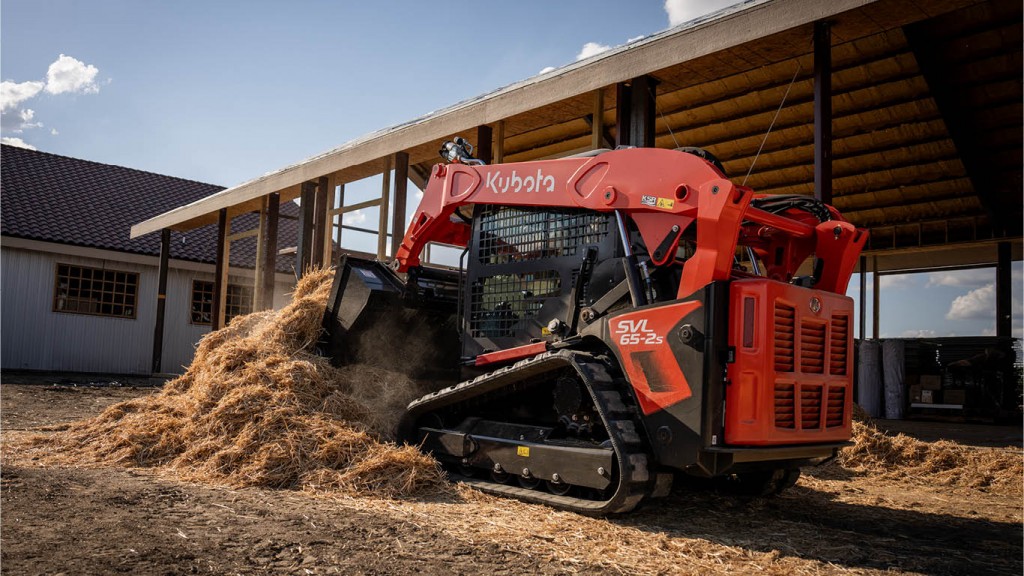
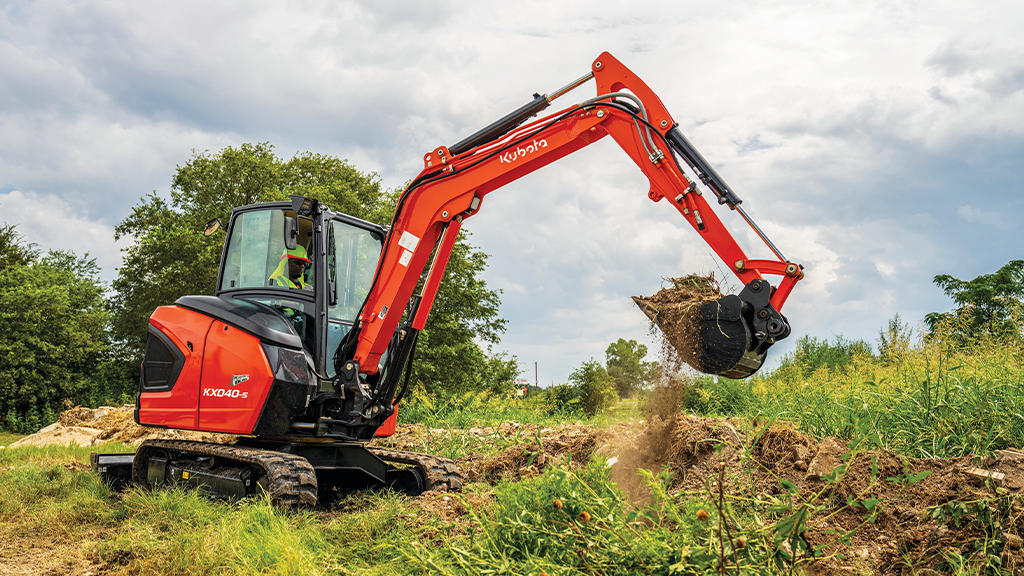
"Versatility isn't just about convenience," Gardner notes. "A core machine that can handle multiple attachments fundamentally changes how you deploy your fleet. In practical terms, one machine can replace several others. A compact unit equipped with a bucket, blade, auger, or broom can take on tasks that previously required multiple dedicated machines. This consolidation reduces both upfront costs and ongoing maintenance requirements."
Improve equipment utilization with a curated fleet
One of the most immediate benefits of a curated fleet is improved equipment utilization. When a single machine handles multiple tasks, equipment remains productive throughout the season rather than sitting idle during off-peak periods.
This becomes especially important in municipal and seasonal work, as tight windows for activities such as road repair or surface maintenance leave little room for downtime. Fleets built around versatile equipment are better positioned to adapt quickly, ensuring crews can stay on schedule even as priorities shift. Expanding capability through attachments allows operations to respond to changing job requirements at a fraction of the cost of additional equipment.
A curated fleet improves operator competancy and efficiency
Beyond cost and flexibility, a curated fleet also delivers meaningful benefits at the operator level.
When crews work with fewer machine types, they develop a deeper familiarity with equipment. This leads to more efficient operation, as less time is spent learning controls or adjusting to different platforms, allowing operators to focus on the task at hand, improving both speed and accuracy.
"From what we see in the field, operator competency increases significantly when they're working with fewer machines," Gardner explains. "They understand maintenance requirements better, they catch issues early, and they work faster. That familiarity translates directly to reliability and reduced downtime."
From a maintenance perspective, fewer machine types simplify inventory management. Crews can standardize parts, such as filters and fluids, making it easier to manage supplies and perform servicing efficiently.
Balance ownership, attachment variety, and rental
While versatility is a key advantage, building a curated fleet still requires thoughtful decision-making.
Fleet managers must determine when to rely on attachments, when to invest in additional equipment, and when renting makes the most sense. The answer depends largely on frequency of use.
"The key is being honest about how often you really need something," Gardner advises. "If a specific capability is needed regularly and your existing equipment can't keep pace, adding another machine is justified. But for tasks that occur only once or twice a year, renting is almost always the smarter move. Attachments, meanwhile, remain a constant investment. They're how your core equipment stays productive across different applications."
Smart fleet curation simplifies operations and reduces costs
Ultimately, the move toward curated fleets reflects a broader shift in how organizations think about equipment.
Leading contractors and municipalities now measure fleet success by how well equipment aligns with real-world demands and actual workload patterns. By identifying core, year-round tasks, selecting machines that can handle multiple applications, and using attachments strategically, they are creating fleets that are both more efficient and more adaptable.
This approach supports stronger margins, simplifies operations, and helps ensure consistent service delivery, even in unpredictable conditions.
In an environment where timing, reliability, and cost control are critical, the logic is clear: less equipment, when chosen wisely, can deliver far greater flexibility.
This article originally appeared in the July/August 2026 issue of Heavy Equipment Guide.