

Your essential spring hydraulic maintenance checklist
Warm weather introduces its own set of unique challenges for hydraulic systems
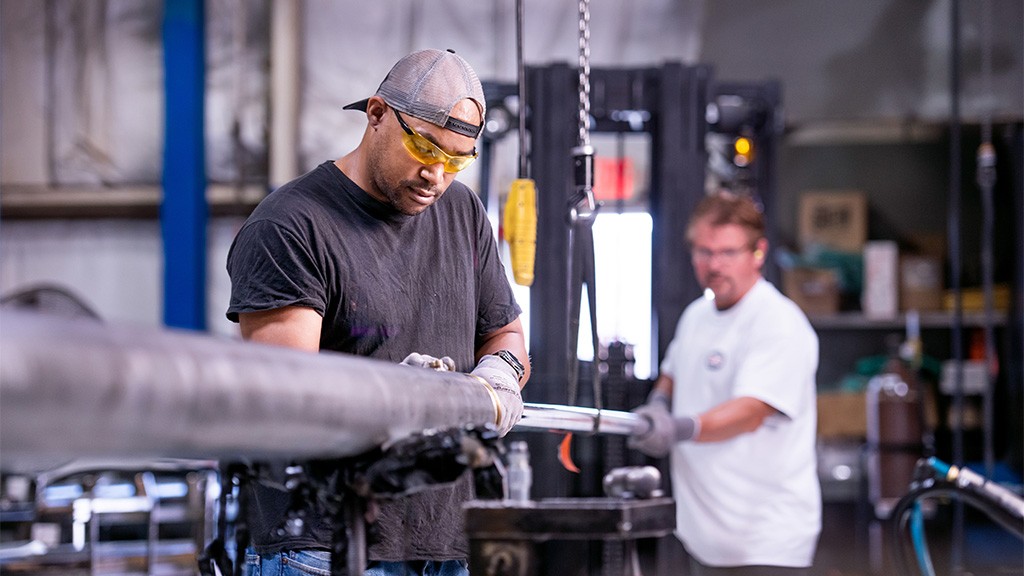
Is your heavy equipment ready to meet the demands of the peak season? As temperatures rise, the transition from winter's cold to spring's warmth introduces a unique set of challenges for hydraulic systems.
Cold weather thickens hydraulic fluid, while warmer temperatures can decrease its viscosity and stress cooling systems. The reality is that a significant portion of costly in-season breakdowns are not random events — they are the direct result of inadequate preparation.
The spring hydraulic maintenance checklist
Follow these steps methodically to ensure your hydraulic systems are prepared for the demanding season ahead.
1. Conduct a thorough visual inspection
Your eyes are one of the most powerful diagnostic tools you have. A detailed visual inspection can uncover issues before they escalate into catastrophic failures.
- Hoses and lines: Look for any signs of wear, such as cracking, abrasions, kinks, or bulging. Pay close attention to areas where hoses might rub against other components. A simple reinforcement, like a corrugated plastic pipe sleeve, can prevent costly future damage.
- Fittings and connections: Check every connection for leaks. A clean machine makes this much easier. Even minor leaks can lead to significant fluid loss over time and indicate a failing seal or loose fitting.
- Fluid levels: Inspect hydraulic fluid levels and check for any signs of contamination. Milky or foamy fluid suggests water contamination, while a burnt smell can indicate overheating.
2. Clean equipment and components
A clean machine is easier to inspect and maintain. Dirt, grease, and debris can mask serious problems like hairline cracks or leaks.
- Gentle cleaning: Avoid using high-pressure washers near sensitive electronic components, seals, or wiring harnesses. The force can push contaminants into the system and damage delicate parts.
- Protect after cleaning: Once the equipment is clean, apply a rust inhibitor to high-wear areas to protect against corrosion.
3. Check and replenish fluids
The transition to warmer weather may require a change in fluid type.
- Fluid viscosity: Winter-grade fluids are designed for cold temperatures. As the weather warms, you may need to switch to a fluid with a higher viscosity (e.g., ISO VG 46 or 68) to ensure optimal performance and prevent breakdown under heat. Always flush the system completely when switching fluid types to avoid contamination.
- Moisture control: Condensation can introduce water into the system, leading to corrosion and fluid degradation. Check reservoir tank bottoms for water and drain if necessary. Ensure desiccant breathers are clean and functional.
4. Test system pressure and performance
Verifying that your system operates at the correct pressures is crucial for both performance and safety.
- Pressure testing: Conduct a pressure test to ensure hoses and components can withstand normal operational pressures.
- Gauge accuracy: Verify that all system pressure gauges are calibrated and functioning correctly. Inaccurate gauges can lead to improper diagnoses and adjustments.
- Tighten connections: Re-torque all hose fittings and connections to the manufacturer's specifications to prevent leaks and ensure secure operation.
5. Lubricate and protect moving parts
Proper lubrication is essential for reducing friction, preventing wear, and protecting components from corrosion.
- Key lubrication points: Focus on bearings, pivot points, and chains.
- Follow guidelines: Adhere to the manufacturer's recommended lubrication schedule based on hours of use.
6. Maintain accurate records
Diligent record-keeping is a cornerstone of an effective maintenance program. It moves your team from guessing to knowing.
- What to track: Log the date of each service, parts replaced, fluids added, and the results of all inspections.
- The benefit: A detailed maintenance history is invaluable for troubleshooting future issues, scheduling preventive replacements, and providing essential documentation for warranty claims. It helps identify recurring problems and informs smarter repair decisions over time.
Adopt a proactive maintenance mindset
Spring maintenance should be viewed as an investment, not an expense. The cost of proactive maintenance — typically a few hundred dollars per machine for fluids, filters, and labour — pales in comparison to the cost of in-season failure. A single hydraulic pump replacement can cost upwards of $5,000, not including the thousands lost in project delays and downtime.
Navigating the complexities of hydraulic maintenance requires expertise. Whether you need guidance on selecting the right fluids, sourcing high-quality replacement parts, or designing custom solutions for unique challenges, having a trusted partner is essential.
This article originally appeared in the March 2026 issue of Heavy Equipment Guide.
Company info

2527 Westcott Blvd.
Knoxville, TN
US, 37931-3112
Website:
baileyhydraulics.com
Phone number:
1-800-800-1810