
6 emerging construction technology trends reshaping the industry
From AI and autonomous equipment to digital twins and sustainability, construction technology continues to reshape how projects are planned, managed, and delivered
What are the key trends affecting construction technology? Elwyn McLachlan, sector vice president at Trimble Civil Solutions, shares insights into the technologies, workforce challenges, and sustainability initiatives shaping the future of the construction industry.
Expanded focus on sustainability in construction
According to Deloitte's 2024 Engineering and Construction Industry Outlooks, sustainability continues to be a major business priority for the construction industry and is expected to remain a long-term focus throughout the value chain, from materials producers and subcontractors to contractors and project owners.
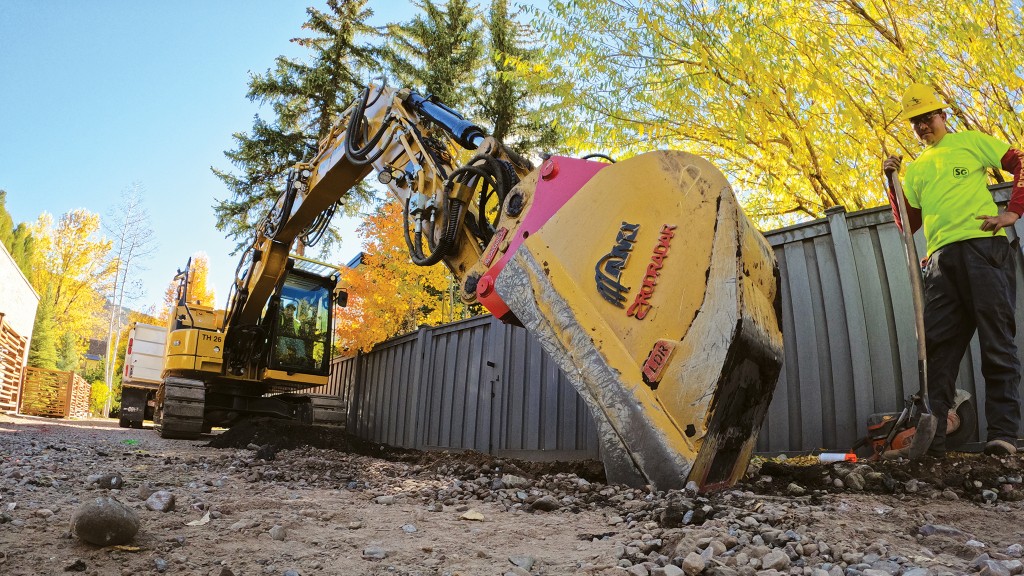
Trimble field testing has shown that technology like horizontal steering control can deliver measurable sustainability gains, including fuel and carbon savings of more than 26 percent.
As ESG reporting, emissions reduction targets, and green building initiatives continue to expand, contractors are increasingly turning to connected construction technology and machine control systems to improve efficiency and reduce environmental impact.
Artificial intelligence on and off the job site
Artificial intelligence continues to transform construction workflows both on and off the job site. Today, AI can be used for tasks like object classification, reality capture insights, safety monitoring, tracking worker and machinery interactions in real time, and much more.
According to Deloitte's research, generative AI could become a pivotal force in the industry's digital transformation. Ongoing innovation and refinement of AI applications are expected to improve productivity, safety, and project visibility across construction operations.
Construction companies are increasingly exploring AI-powered software for predictive maintenance, project planning, safety analytics, scheduling, and asset management to improve decision-making and operational efficiency.
Fully autonomous solutions continue to advance efficiency and safety
Innovation around autonomy and autonomous construction solutions continues to move forward steadily. Trimble tested a fully autonomous soil compactor on a live job site, the Site C Clean Energy Project on the Peace River in British Columbia, completing 37 hours of work alongside other machines.
Yunki Kim of Samsung C&T highlighted the benefits of this autonomous technology on the project, saying, "Autonomy plays an important part in Samsung's vision of a more sustainable future, so it was thrilling to have a fully autonomous compactor being put to the test alongside our fleet of equipment with an operator on this project."
Expect continued development and integration of autonomous robotics in construction workflows, helping improve project efficiency, worker safety, and cost effectiveness.
Subscription-based construction technology expands access
The ability to subscribe to construction technology has created benefits for both small and large contractors. More hardware, software, and support services are becoming available through subscription-based models.
Subscription programs allow contractors to invest in the latest hardware and software without high upfront costs. Fixed monthly fees often include installation, hardware and software upgrades, full factory warranty coverage, repair or replacement of accidentally damaged hardware, and technical support.
As construction technology evolves rapidly, subscription models are helping contractors manage technology investments while maintaining access to the latest tools and equipment.
Labour shortages continue to challenge the construction industry
Labour shortages remain a major challenge across the construction industry. Technology continues to help offset these pressures by improving workflow efficiency and helping companies attract workers interested in innovative job site technology.
Growth in task automation, connected job sites, and technology solutions designed to upskill existing workers is expected to continue. Robotics, augmented reality, and 3D modelling are also helping modernize perceptions of construction careers and attract new talent.
As skilled labour shortages persist across North America, contractors are increasingly adopting digital construction tools to maximize productivity with leaner crews.
Digital twins take on new life
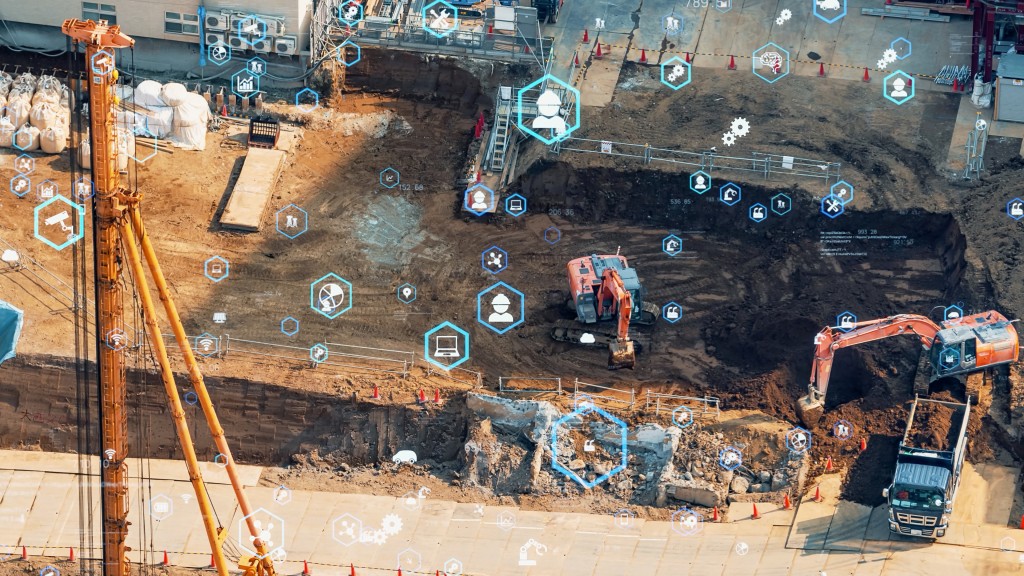
Digital twins are not new to construction, but they are evolving rapidly with advances in real-time sensors, artificial intelligence, and the Internet of Things. These technologies are transforming digital twins into adaptable, "living" digital environments.
With connected sensors, digital twins mirror physical objects' orientation, shape, and motion. Sophisticated digital twins now use AI and machine learning for predictive insights, such as tracking materials in supply chains.
Digital twins continue to evolve as tools for improving collaboration, centralizing information, supporting predictive analytics, and optimizing assets across construction and infrastructure projects.