
How to reduce equipment theft
Telematics platforms make it easier to identify and quickly respond to unexpected equipment movement
It's a moment every contractor dreads — returning to a job site only to discover that equipment is missing.
Construction equipment theft is an ongoing challenge across Canada. Insurance claims for construction theft have reached about $46 million in recent years, and the toll isn't just financial. Stolen equipment impacts productivity, disrupts schedules, and delays projects. Recovering it is also difficult. Canadian construction companies report less than 25 percent of stolen equipment is recovered.
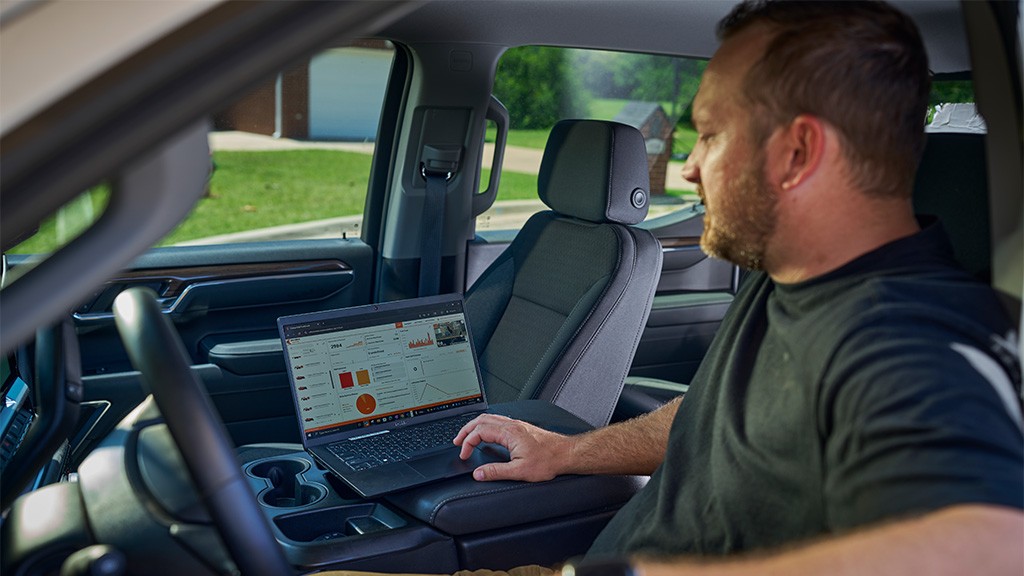
To avoid these hassles and reduce their risk, some contractors are turning to the telematics platforms that are available on modern equipment to protect their fleets. These platforms make it easier to identify and quickly respond to any unexpected movements or even potential equipment misuse.
How telematics systems help prevent equipment theft
Visibility is one of the most effective deterrents against equipment theft. When contractors know exactly where their machines are and when they move, it becomes significantly harder for stolen equipment to disappear unnoticed.
Modern telematics platforms combine location tracking, machine data, and automated alerts to help contractors monitor equipment in real time. These systems enable fleet managers to track assets across multiple job sites, identify unexpected movement, and respond quickly when equipment leaves a designated location.
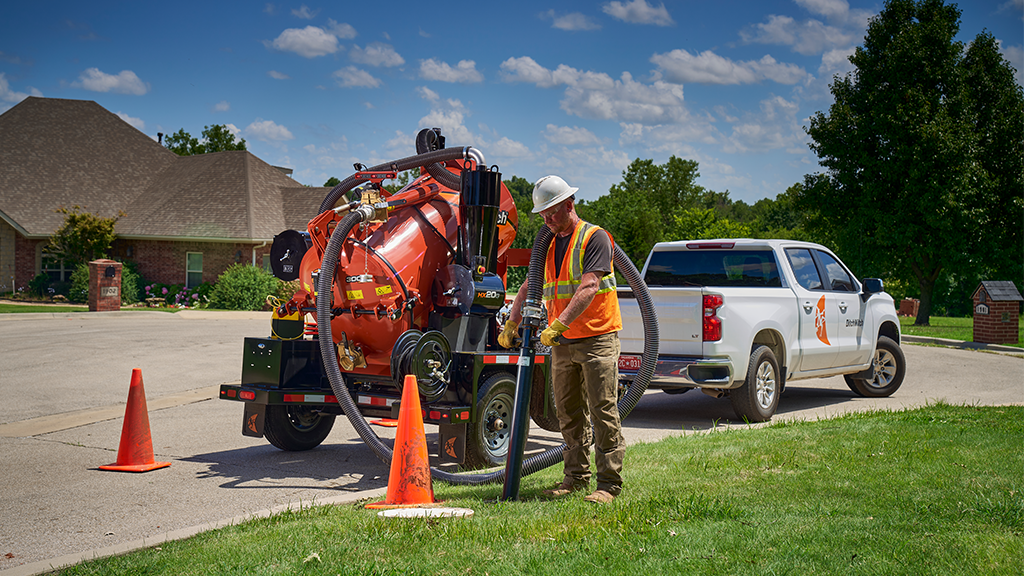
OEMs are continuing to expand telematics capabilities to give contractors greater visibility into equipment usage and location, while also addressing growing concerns around asset security. Platforms such as Ditch Witch's Orange Intel illustrate this evolution, incorporating both wired and wireless tracking approaches to support a wider range of equipment types.
- Wired GPS Tracker — Ideal for powered assets, this option connects directly to the machine and provides integrated runtime monitoring alongside location tracking.
- Wireless GPS Tracker — A battery-operated solution designed for non-powered assets, such as trailers, generators, or other towable equipment.
These tracking solutions help contractors maintain visibility across both powered machines and supporting job site equipment, ensuring that valuable assets remain accounted for wherever they are deployed.
Alert-based features flag unusual activity in real time
While location tracking provides a baseline level of visibility, real-time alerts are what enable contractors to respond when something falls outside normal operating conditions. Increasingly, telematics platforms are incorporating alert-based features that help flag unusual activity as it happens, rather than after the fact.
Geofencing, for example, allows contractors to define digital boundaries around job sites, equipment yards, or staging areas. If a machine moves beyond those parameters, an alert can be triggered, helping teams quickly identify potential issues. Similarly, notifications tied to unexpected movement or activity outside of scheduled operating hours can serve as early indicators of unauthorized use.
For powered equipment equipped with the wired tracker, contractors also gain access to runtime data, providing additional insight into machine utilization while adding another layer of security. Unexpected runtime during evenings or weekends can quickly signal unauthorized use or suspicious activity.
These features allow contractors to move from a reactive approach to a proactive one. Instead of discovering theft hours or days later, fleet managers can identify unusual activity immediately and respond before equipment disappears.
Telematics systems improve equipment recovery potential
When theft does occur, time becomes the most important factor in equipment recovery. The longer a machine remains missing, the greater the likelihood it will be transported, dismantled, or sold through secondary markets.
Telematics technology significantly improves recovery potential by providing accurate location data that can be shared with law enforcement. In many cases, GPS tracking systems have helped authorities locate stolen equipment quickly, sometimes within hours.
For contractors, the benefits extend beyond recovering a single machine. Improved equipment visibility reduces downtime, protects project schedules, and safeguards the investments that keep crews productive.
A proactive approach to security strengthens business resilience
Equipment theft is an operational risk with consequences that can ripple across a contractor's business, threatening budgets, timelines, and customer commitments. Yet the nature of construction work — where equipment is regularly left unattended on open job sites with little or no monitoring — makes security inherently difficult to manage.
By taking a proactive approach to securing their assets using readily available visibility tools, contractors can protect their investments and limit disruptions. Even seemingly small improvements in how contractors monitor their equipment can make a meaningful difference in preventing losses and improving the likelihood of recovery if a loss does occur.
In an industry where margins are tight and schedules are demanding, always knowing where equipment is can help keep crews productive and projects on track — and provide valuable peace of mind.