
Smart lifts, safer job sites
The right equipment helps you get the job done, but knowing how to use it safely keeps your team protected
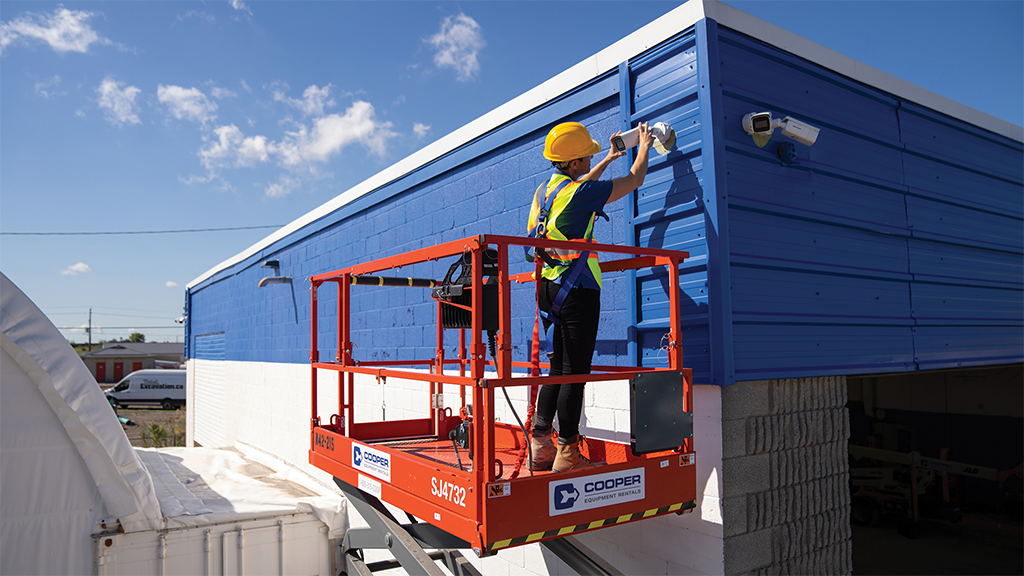
Aerial lifts are everywhere, and like any piece of heavy equipment, they come with their own unique risks. When you're 100 feet in the air, there's zero room for error. Electric shocks from power lines, severe weather, falls, and even tip-overs all threaten worker safety. But when used properly, they offer major benefits: saving time, reducing labour needs, and allowing quick set-up and repositioning.
That's why choosing the right equipment and the right rental partner is critical. A provider who keeps pace with the latest safety standards and equipment advancements gives you access to the machines to keep your team productive and protected.
But equipment alone isn't enough.
Busy job sites come with complex safety and compliance challenges. What you need is a partner who goes above and beyond by offering training, resources, and expert support to ensure your crew can operate safely and meet regulations. Because the right lift paired with the right expertise keeps your job productive, your team protected, and gives you the competitive edge you need to succeed.
Make safey a priority — because one call can change everything
Safety isn't a one-time checkbox. It's a daily commitment. No one wants to make that call after a job site accident that was completely preventable. Because the moment you hear "There's been an incident," everything changes. Projects halt, investigations begin, and families are forever affected. The impact doesn't end with the accident. Morale takes a hit. Projects stall. Insurance costs rise. Your reputation is on the line.
Properly trained workers can proactively identify, assess, and control potential hazards. They recognize warning signs: unstable ground conditions, overhead power lines, changing weather patterns, or equipment showing signs of wear. In many Canadian provinces, working at heights training is mandatory for anyone on construction sites using fall protection systems. This isn't just regulatory compliance — it's life-saving education.
Choose a rental partner who doesn't just deliver the lift but also trains your team on how to use it safely and confidently. Classroom sessions build knowledge. Hands-on instruction builds habits. Pairing new workers with seasoned mentors is another effective way to reinforce safety best practices and establish accountability from day one.
Safety training goes beyond basic certification. A safety-first culture encourages openness, continuous improvement, and feedback. We practice daily "Take 10" sessions so crews can discuss concerns and specific hazards they'll face that day. Toolbox talks are another way to keep safety conversations fresh and relevant. Create a space for workers to voice concerns, share experiences, and learn from each other.
Aerial lifts gets a major tech upgrade
Aerial lifts aren't just becoming safer, they're becoming smarter. Innovation in equipment design and updated ANSI safety regulations means we have access to valuable data on machine health and usage. We can even monitor operator behaviour to help identify when additional training may be needed.
Unexpected equipment failures can bring jobs to a halt or leave operators stranded. Advancements in load-sensing hydraulics and tilt alerts help prevent dangerous operations, like lifting with too much weight or working on unsafe slopes. And instead of relying solely on scheduled inspections, telematics can deliver immediate alerts when equipment issues arise.
But technology is only powerful when it's put to good use. It's not just about collecting data, it's about using insights to make smarter decisions. It's common to see the wrong equipment application on a job site, like using an articulating boom where a straight boom would be safer and more efficient, or deploying a large rough-terrain scissor lift when a smaller battery-powered model would get the job done with less cost and impact. These mismatches can create avoidable safety risks, reduce productivity, and drive up operating costs.
That's why it's so important to work with an experienced, professional equipment provider. The right partner will assess your project needs, understand the site conditions, and match each task with the most appropriate equipment, delivering safer, more efficient, and more cost-effective outcomes every time.
Adjusting to newer equipment and evolving technology takes time. New aerial lifts often feel different from older models. They are sometimes heavier and more complicated to operate than their aged counterparts. Adapting can be challenging, especially for seasoned operators. But you don't have to navigate that change alone. A trusted equipment provider can help you through the learning curve by offering access to the latest aerial lifts, as well as the tools, training, and support to help your team.
Safety is good practice and good buinsess
Health and safety regulations set the baseline, but as an industry we need to lead the charge when it comes to elevating safety standards. The tools and tech are doing their job to drive efficiency, and now it's on us to make sure workers are properly trained and prepared. Your equipment provider can be a valuable partner, offering access to advanced equipment and tech that help you work smarter, safer, and faster. But the real game-changer is education. Investing in proper training builds safer job sites and fosters a culture where people want to work.
We use aerial equipment every day, so let's lead by example. When we invest in better tools, better training, and a real safety culture, we raise the bar for everyone.
Company info

255 Longside Dr.
Unit 103
Mississauga, ON
CA, L5W 0G7
Website:
cooperequipment.ca
Phone number:
1-877-329-6531