

Stand by your manufacturer - consider the brand when it comes to choosing a new snow pusher
by Mike Holihan
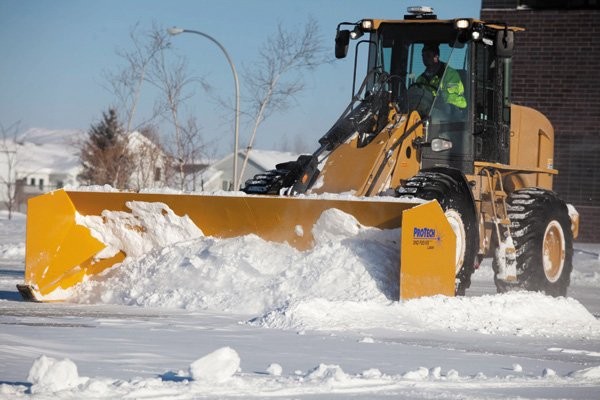
A new snow pusher is more than a three-sided steel box. It’s the product of a customer-focused company. It involves years of engineering dedicated to making snow and ice professionals highly productive. And it’s the beginning of a relationship between the end-user and the manufacturer… at least that’s what it’s supposed to be.
Snow pushers aren’t as complex as the loaders, skid steers and other equipment in your fleet. But that doesn’t mean you don’t need to buy from a high-quality manufacturer. Poor customer service, scarce parts availability and other unacceptable offerings can ruin the experience of owning a snow pusher, just like any other piece of equipment. Fortunately, there are manufacturers that dedicate themselves to making top-notch snow pushers and also provide plenty of support after the sale. Can you stand by your manufacturer and say that? If you’re not sure, here are some criteria to consider.
Check the warranty
The first way to ensure a manufacturer offers some sort of added value is to check the warranty program. The types of coverage from one snow pusher to another range from no formal warranty to 10 years or more.
All warranties will guarantee the craftsmanship of a product, so if a weld breaks while pushing snow, you’re covered. But if you run into a light pole, you’re out of luck.
Although the items covered are typically the same, that doesn’t mean all manufacturers honour their warranties the same way. Some companies will be much more accommodating than others when a claim is submitted, so it’s important to ask other snow pusher owners about their experiences with customer service and dealer support for their units. After all, a warranty is only as good as the company that issues it.
The other warranty consideration is the length of coverage. Because all snow pushers on the market are built with rugged usage in mind, most units should be able to get through at least one or two seasons without breaking down. With this in mind, a warranty that lasts longer than a couple years can add much value to a snow pusher.
On the contrary, be cautious with warranty policies that span several decades. A good rule of thumb is that a warranty should not exceed the length of time that the manufacturer has been making snow pushers. This provides reassurance that the product has been properly tested for durability. Also, remember that a manufacturer can’t honour a warranty claim in 20 years if it goes out of business in two.
Some manufacturers have been in business since the 1990s, when snow pushers were first produced commercially. And the longer a company has been producing snow pushers, the more time it has likely devoted toward engineering quality products and perfecting designs.
Furthermore, a strong dealer or distributor network may be another good indicator of a manufacturer’s stability. It’s easy to find a list of dealers and distributors on most manufacturers’ Web sites, and don’t be afraid to call or visit the nearest location to check the employees’ level of engagement.
Are they excited and knowledgeable about their line of snow pushers? Are products and parts well-stocked? Or does the dealer simply have the product available, and that’s it? These questions can be used to gauge the dealer’s attitude toward a snow pusher manufacturer, which in turn may reflect the quality of the manufacturer itself.
Time and devotion
Additionally, one should take note of the time and devotion a manufacturer appears to put into its snow pushers. Perhaps a large company only makes pushers to fill a gap in its expansive product line. Or maybe a small welding and fabrication shop decided to boost its revenue by making them on the side. Although it’s not always easy to tell which manufacturers put the most research and development into their products, there are still a few ways to tell whether or not a company is dedicated to its line of snow pushers.
First, the amount of promotion put toward a snow pusher directly implies the manufacturer’s investment in the product. Does the Web site look legitimate? Does the company advertise? Is the manufacturer a loyal exhibitor at industry trade shows? And are snow pushers part of this effort? Because Web sites, ads and trade show booths all cost thousands of dollars, a manufacturer won’t put this kind of money into its snow pushers unless it truly stands behind the product.
Next, see how much information is available for a snow pusher – both at the dealership and on the manufacturer’s Web site. Often, manufacturers don’t educate their dealers much about the products they don’t care to sell in high volume. And they won’t provide helpful content on their Web sites either.
Therefore, the amount of information available on a snow pusher may correlate with the amount of thought the manufacturer put into the product.
Besides putting more money and thought into their products, devoted snow pusher manufacturers are also more likely to have finished products and parts available when they’re needed most – in the winter. Nothing is more frustrating to a snow and ice professional than getting sidelined waiting for parts, but not all manufacturers make new products and parts year-round. Before purchasing a new unit, a prospective buyer should ask about parts inventory and availability.
Answering the call
Even if a manufacturer seems to sell well-designed pushers, and it offers good warranties, the company should still stand behind its products with a solid customer service program. Although a snow pusher is often one of the last pieces of equipment to fail in a snow and ice operation, good manufacturers respond to phone calls when help is actually needed. And they also go out of the way to ensure their customers are happy.
The needs of customers are simple: they want to be heard and understood. When they call the manufacturer, they want a timely response. They want to know that they matter to the company, and many times they want to build a relationship.
Of course, implementing a good customer service program is easier said than done for a snow and ice equipment manufacturer – especially when most of its business is crammed into several months out of the year. It’s not hard for a customer service representative to be short with a caller if there are three people waiting on hold to talk to him next.
But some companies have found ways to manage the pressure, such as recruiting extra help to answer phones during the busy season. This effort helps provide a quicker response time to customers, and since the work is spread out over more people, the representatives are more likely to be friendly and talk longer with the caller.
Furthermore, now that many snow and ice professionals are seeking help on social media platforms, such as popular industry message boards or Facebook pages, some manufacturers are extending their help to these sites as well. Although the conversations on these sites were traditionally held between end-users, manufacturers have learned when to step in and provide helpful information as well.
Social skills
Besides enhancing customer service, a company’s involvement in social media provides further benefits to end-users. When a manufacturer sets up a social media profile or discussion forum, it creates a network of snow and ice professionals who share stories, advice and questions about their equipment. Not to mention, the manufacturer may have giveaways or other special promotions available just for the people participating in the online community. Social media platforms also foster relationships between end-users and the manufacturer. Representatives from some companies monitor these sites daily – not to give sales pitches, but to casually interact with their customers. This allows end-users to see what’s new with the company and, likewise, the company can stay on top of how its customers are doing. Because of this, larger manufacturers are now able to develop the close relationships that were previously only possible when doing business with small operations.
Considering all these factors, the purchase decision of a new snow pusher may seem a little more difficult. Not only must you look for a sturdy, well-built unit, but you should also account for the company behind the product. Will parts be available when you need them? Does the manufacturer care about you as a customer? Will the company still exist in 10 years? If the answer to all these questions is yes, then you’ll most likely have a good experience with your new pusher. If not, don’t be surprised if your equipment leaves you out in the cold.